1st automotive extended warranty insights for thoughtful drivers
I've watched drivers make small, calm decisions the moment a dashboard light blinks on. That quiet pause says a lot. A good plan turns that pause into a clear next step, and it does so with awareness and a sense of fairness.
What it is and why it exists
An extended warranty, often a service contract, helps cover certain repairs after the factory warranty ends. It's not magic; it's a framework. The value lives in how clearly the plan defines parts, labor, and the path from breakdown to paid invoice. Fair terms and transparent handling matter just as much as price.
Workflow: evaluate before you buy
- Gather the VIN, current mileage, maintenance history, and any modifications.
- Map the remaining factory coverage and note exact end dates and mileages.
- List your likely repairs by model year: powertrain, electronics, climate control.
- Estimate repair costs and compare to premiums plus deductible.
- Request the actual sample contract; read exclusions and definitions.
- Check claim steps: who calls, when to authorize diagnostics, and how payment flows.
- Confirm deductible type (per visit vs per component) and any surcharges.
- Look for fairness signals: clear cancellation, transfer, and refund provisions.
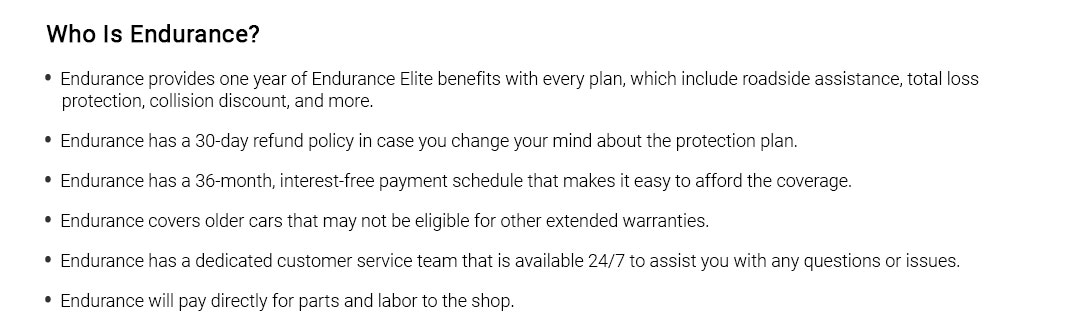
- Verify extras that reduce downtime: roadside, rental, trip interruption.
Coverage scope, in plain terms
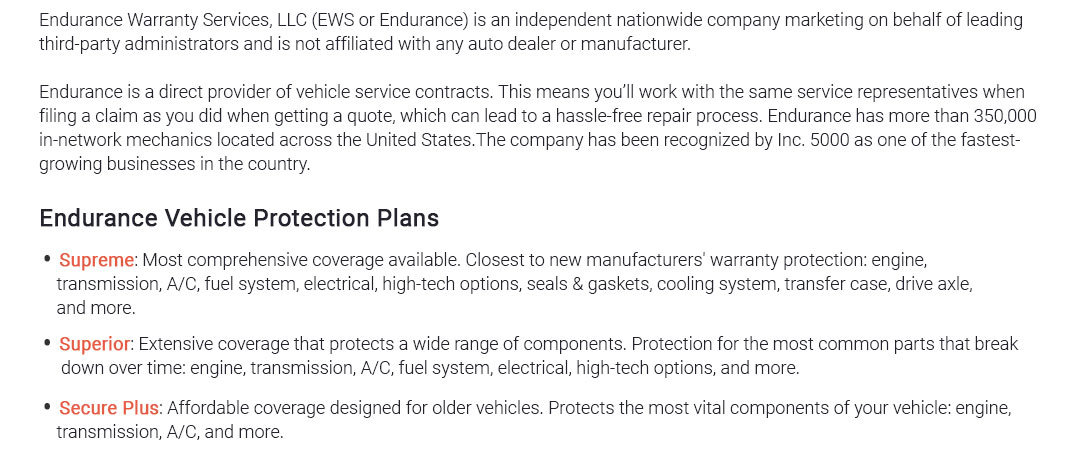
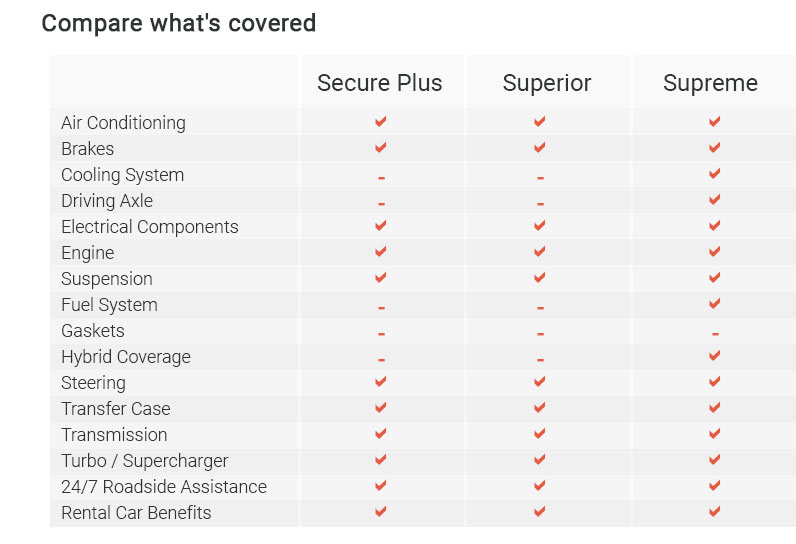
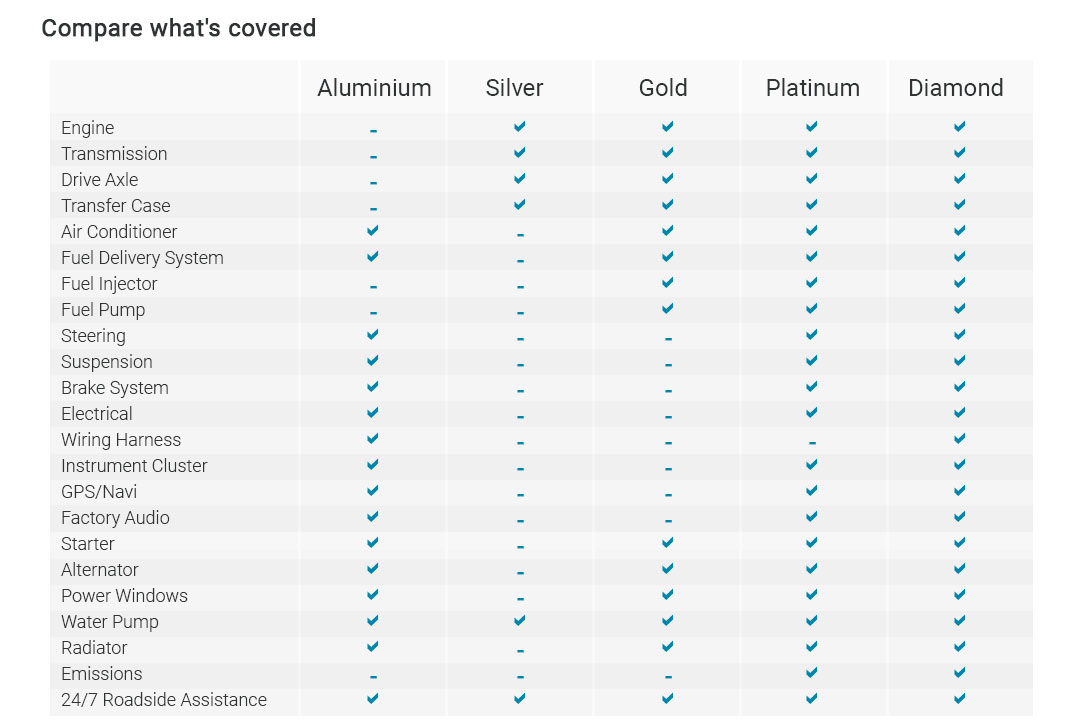
- Usually covered: engine, transmission, drive components, many electrical modules.
- Often covered, plan-dependent: A/C, infotainment, advanced driver-assist sensors.
- Commonly excluded: maintenance, wear items, cosmetic trim.
- Diagnostics: approved if tied to a covered repair; ask how it's handled if not.
- Parts and labor: OEM or equivalent; confirm rate caps and regional labor guides.
- Repair choice: network shops or your chosen licensed facility, with pre-authorization.
Coverage details can vary by vehicle age and plan level; in a few cases, administrators interpret "consequential damage" differently, which I can't know for certain in advance, yet experience suggests getting written clarification turns uncertainty into predictable outcomes.
Fair pricing markers
- Plain-language contracts without buried addendums.
- Stated waiting periods and mileage limits that are easy to verify.
- Balanced deductibles that don't punish small fixes.
- Transparent cancellation math, including pro-rata refunds.
- No pressure to bundle unrelated products.
A subtle moment in the real world
Late afternoon, light rain, a family sedan idles at a neighborhood shop. The advisor calls the number on the 1st automotive extended warranty card, explains an alternator failure, and reads off the diagnostic code. Pre-authorization arrives within minutes. The owner pays only the deductible; rental coverage is approved for a day. No drama - just a fair, documented exchange that gets them back for the school pickup.
How to file a claim smoothly
- Stop driving if the warning light indicates damage risk; document the symptom.
- Call claims before repairs; confirm the shop and authorize diagnostics.
- Share maintenance records; they prove care and keep the process moving.
- Get a written estimate with part numbers and labor hours.
- Wait for pre-authorization; have the shop include photos if requested.
- After repair, review the invoice: covered items, taxes, fees, and your deductible.
- Keep copies; they help with future issues, transfers, or refunds.
Make it work for you
Timing helps. Many buyers add coverage while factory protection remains, securing better rates and fewer exclusions. You can explore options through a dealer or directly, compare the real contracts, and choose based on clarity, not just marketing.
Small cautions to note
- Modifications and rideshare use can change eligibility; disclose them early.
- Follow the maintenance schedule; keep dated receipts.
- Pre-existing conditions and incomplete diagnostics can delay approvals.
- Waiting periods may apply; learn them before you need help.
Bottom line
With attention to detail and a focus on fairness, a 1st automotive extended warranty can turn breakdowns into manageable events rather than budget shocks. The process runs best when everyone is aware of the steps, the definitions are clear, and each approval is anchored in what the contract actually promises.